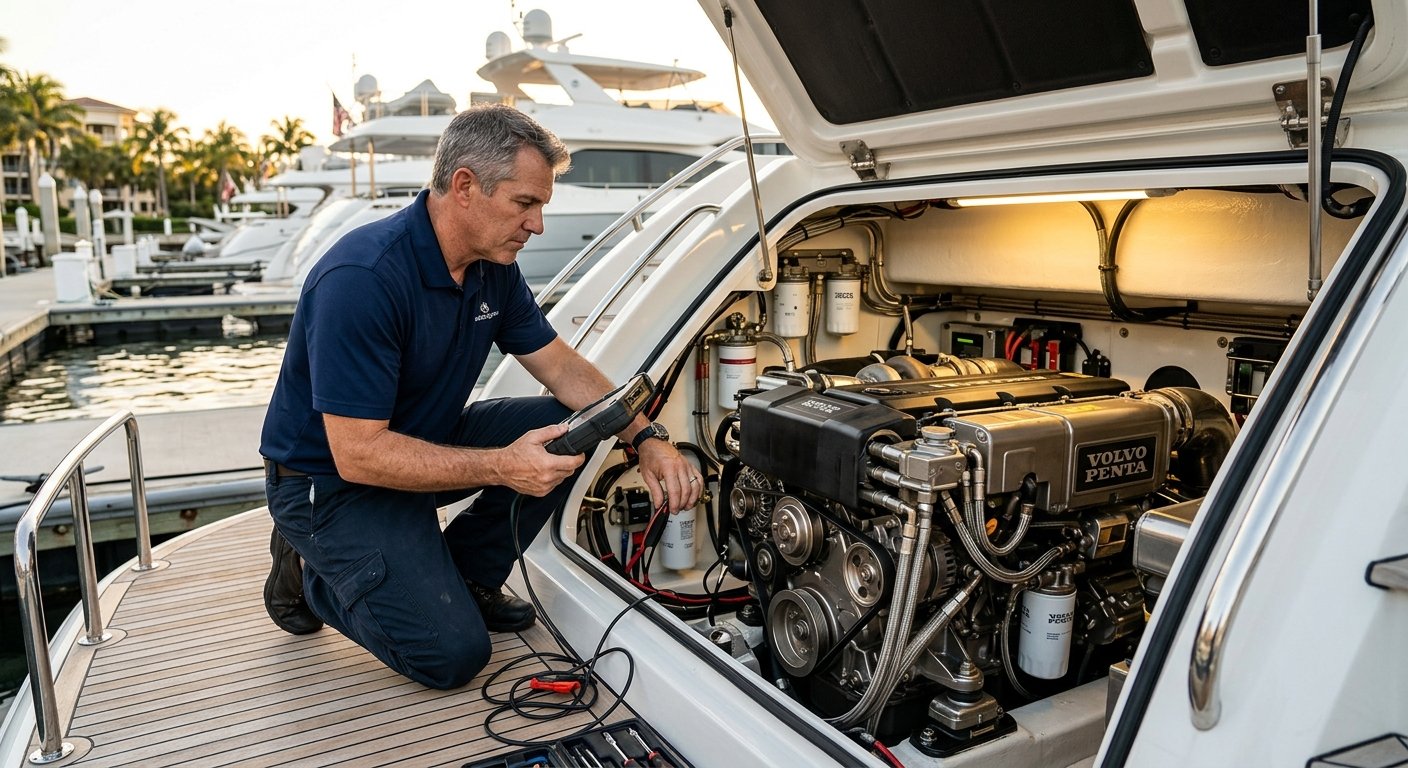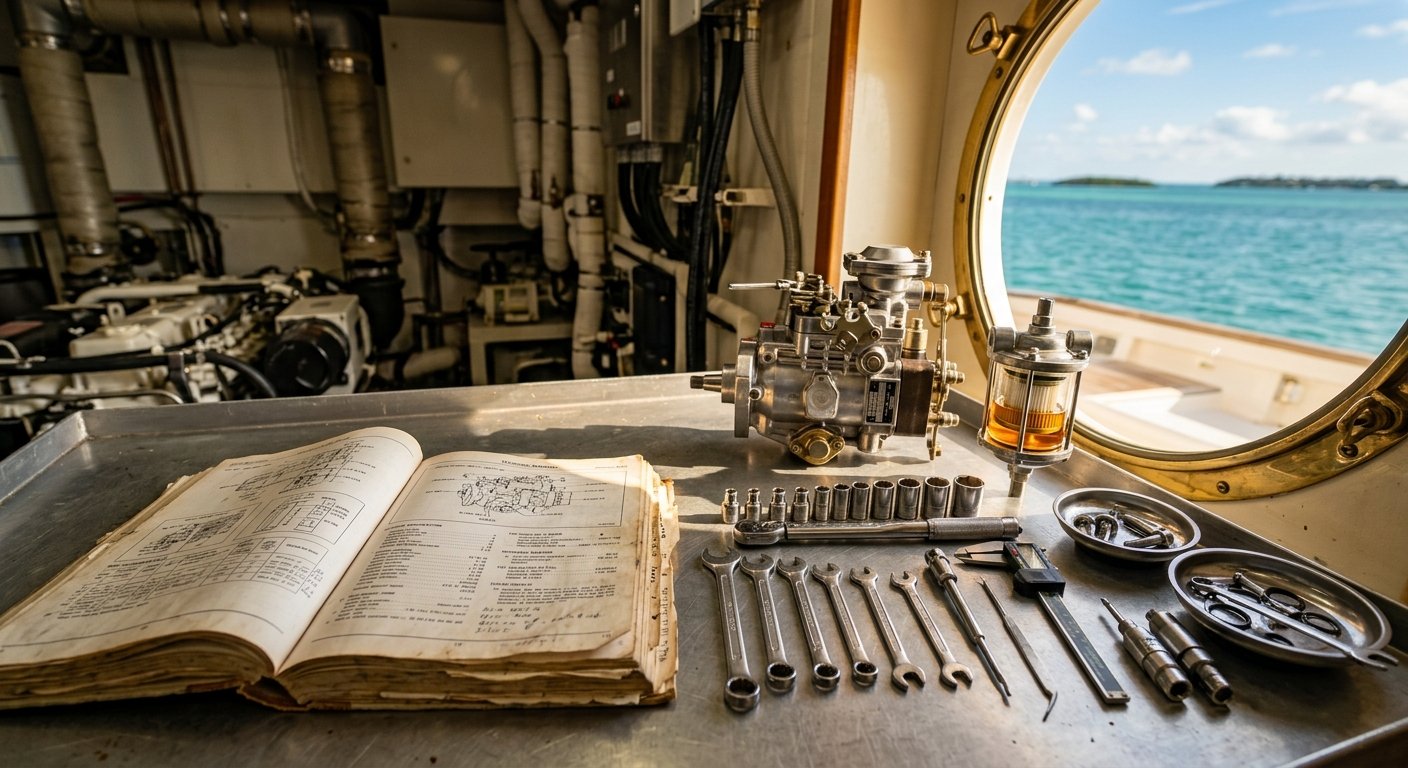
Your yacht’s diesel fuel is alive—or at least, it might be. Microbial contamination, water accumulation, and sediment buildup transform what should be clean fuel into a breeding ground for engine problems. Most vessel owners don’t think about fuel quality until their engines won’t start or their generators fail, often at the worst possible moment. Understanding when your boat needs marine diesel fuel polishing can prevent catastrophic engine damage and save thousands in emergency repairs.
What Is Marine Diesel Fuel Polishing?
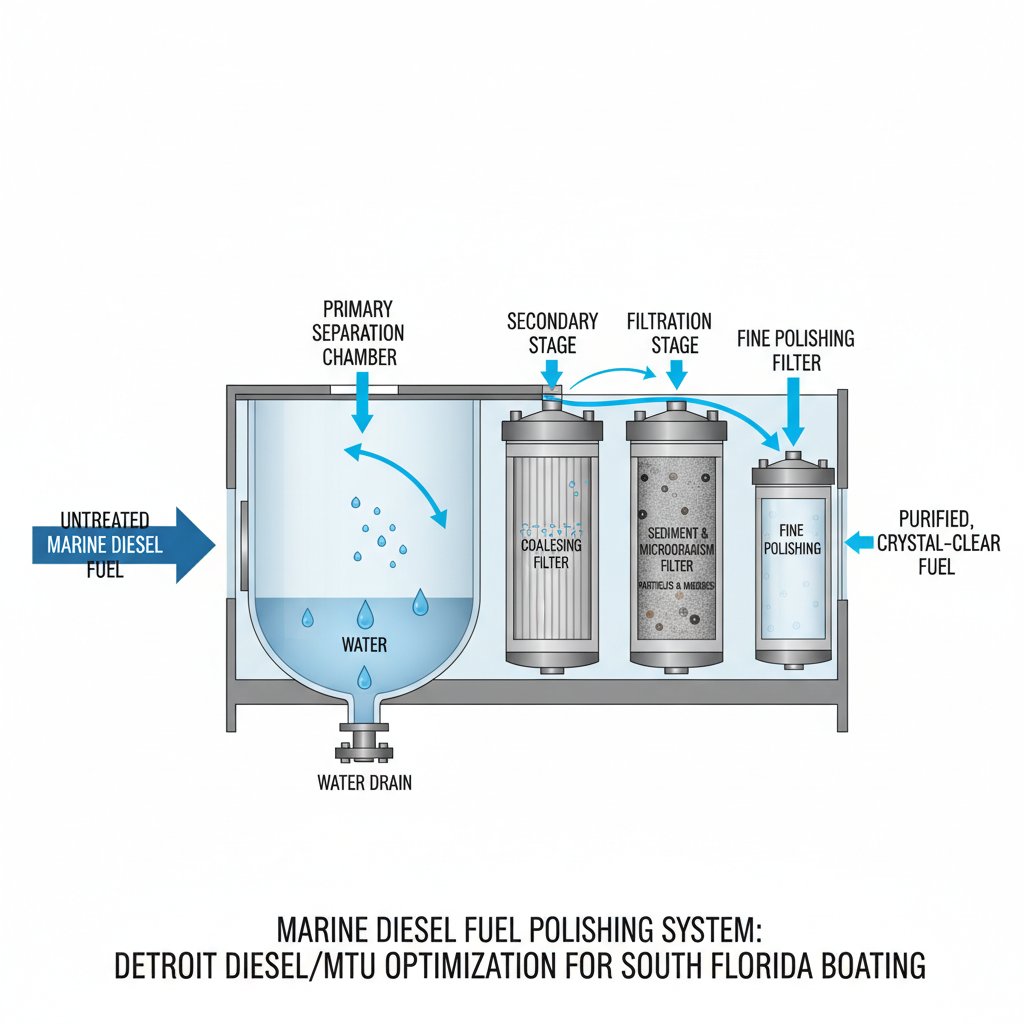
Marine diesel fuel polishing is a comprehensive process that removes water, sediment, microorganisms, and other contaminants from your vessel’s fuel system. Unlike simple fuel filtering, professional yacht fuel polishing service involves circulating fuel through specialized filtration equipment that removes particulates down to 1-3 microns, separates water, and eliminates the biological growth that plagues marine fuel tanks.
The marine environment creates unique challenges for fuel storage. Temperature fluctuations cause condensation inside tanks. Fuel sits for extended periods during off-season or between voyages. Movement from waves constantly stirs sediment. These conditions make boat fuel contamination almost inevitable without proper maintenance.
Professional diesel fuel cleaning marine services use multi-stage filtration systems that process fuel multiple times, ensuring contaminants are thoroughly removed. The process typically includes water separation, particle filtration, and often biocide treatment to eliminate diesel algae—the common term for microbial growth in fuel.
Warning Signs Your Yacht Needs Fuel Polishing
Recognizing the symptoms of contaminated fuel early prevents extensive damage to injection systems, fuel pumps, and engine internals. Watch for these indicators:
Engine Performance Issues
- Rough idling or misfiring: Contaminated fuel disrupts combustion, causing engines to run unevenly
- Loss of power under load: Water or sediment restricts fuel flow when engines demand maximum performance
- Difficulty starting: Particularly after the vessel has sat idle for weeks or months
- Black or excessive exhaust smoke: Incomplete combustion from poor fuel quality
- Engine stalling: Especially concerning with Detroit Diesel or MTU engines that demand precise fuel delivery
Fuel System Indicators
- Clogged fuel filters: If you’re changing filters more frequently than manufacturer specifications recommend
- Water in fuel/water separators: Visible water accumulation indicates tank contamination
- Dark or cloudy fuel: Fresh diesel should be clear; dark fuel suggests contamination
- Fuel odor changes: A sour or unusual smell indicates biological growth
- Visible sediment: Dark particles in filters or fuel samples
Generator Problems
Marine generators like Northern Lights, Kohler, and Westerbeke units often show fuel contamination symptoms first. Their smaller injectors and tighter tolerances make them particularly sensitive to fuel quality issues. Generator failures frequently signal that main engines will experience problems soon.
Why Marine Fuel Gets Contaminated
Understanding contamination sources helps vessel owners implement better prevention strategies. Several factors contribute to fuel degradation in marine applications.
Water Infiltration
Water enters fuel tanks through multiple pathways: condensation from temperature changes, deck fill cap seals that deteriorate in saltwater environments, and moisture in fuel delivered from suppliers. Water settles at tank bottoms, creating ideal conditions for microbial growth. Even small amounts—as little as 30 parts per million—can support diesel algae formation.
Microbial Growth (Diesel Algae)
The interface between water and diesel fuel hosts bacteria and fungi that metabolize hydrocarbons. These microorganisms form mats that clog filters, produce acidic waste products that corrode tanks and components, and create biomass that blocks fuel lines. Diesel fuel algae treatment becomes necessary once colonies establish themselves.
Sediment Accumulation
Particulates accumulate from multiple sources: rust and corrosion from steel tanks, breakdown products as diesel fuel ages, material from tank coatings that deteriorate, and contaminants in fuel from suppliers. Sediment settles when vessels are stationary but gets stirred into suspension during operation, especially in rough seas.
Fuel Aging and Degradation
Modern ultra-low sulfur diesel (ULSD) degrades faster than older formulations. Without sulfur’s natural antimicrobial properties, today’s diesel is more susceptible to biological contamination. Fuel also oxidizes over time, forming gums and varnishes that damage precision fuel injection components in engines like Detroit Diesel Series 60 or MTU 2000 series.
When to Schedule Marine Fuel Polishing
Preventative marine fuel tank maintenance is more cost-effective than emergency repairs. Factory-authorized service providers recommend fuel polishing schedules based on several factors.
Time-Based Intervals
For vessels in regular use, annual yacht fuel system cleaning is standard preventative maintenance. If your boat sits for extended periods—snowbirds who leave vessels in South Florida during summer months, for example—polish fuel before laying up and again before returning to service.
After Extended Storage
Any time a vessel sits idle for more than three months, assume fuel contamination has begun. Temperature cycling in South Florida’s climate accelerates condensation. The six-month mark is particularly critical; fuel should be tested and likely polished before starting engines after this duration.
Following Fuel Quality Issues
If you’ve experienced contaminated fuel from a supplier, complete fuel polishing is essential. Bad fuel affects not just your tanks but entire fuel systems. Contaminated delivery can compromise hundreds or thousands of gallons, making professional diesel fuel cleaning marine service the only practical solution.
Before Major Voyages
Don’t wait until you’re provisioning for an extended cruise to discover fuel problems. Schedule boat fuel quality testing and polishing well before departure. Engine failure offshore because of contaminated fuel transforms dream voyages into emergencies.
When Changing Fuel Suppliers
Different fuel sources have varying quality levels. When switching marinas or fuel docks, testing fuel quality helps establish a baseline. This practice is particularly important for commercial operators who fuel at multiple locations.
The Professional Fuel Polishing Process
Factory-authorized fuel polishing services follow systematic procedures that ensure thorough cleaning while protecting fuel system components.
Initial Assessment and Testing
Professional technicians begin with fuel sampling from multiple tank locations. Testing evaluates water content, particulate contamination levels, microbial presence, and fuel condition. This data determines the appropriate treatment approach and establishes whether biocide treatment is necessary alongside mechanical filtration.
Multi-Stage Filtration
Commercial fuel polishing systems pump fuel through progressively finer filters, removing particles down to 1-3 microns—far smaller than the 10-30 micron filtration in typical onboard systems. Water separators extract free and emulsified water. The process circulates fuel multiple times until testing confirms contaminants are removed to acceptable levels.
Tank Inspection and Cleaning
Polishing addresses fuel, but contamination sources often remain. Comprehensive marine fuel tank maintenance includes inspecting tank interiors when accessible, removing sludge accumulation from tank bottoms, and evaluating tank coatings for deterioration. Steel tanks may require interior treatment to prevent future corrosion and rust contamination.
System Flushing and Filter Replacement
After tank cleaning, fuel lines should be flushed to remove any contaminants mobilized during polishing. All fuel filters—primary, secondary, and engine-mounted—require replacement with OEM-specified filters. Using proper filters matters significantly for engines like Northern Lights generators or Westerbeke units with tight tolerances.
Why Choose Factory-Authorized Service
Marine diesel fuel polishing requires specialized equipment and expertise. With a deep parts inventory and 70 years serving the marine industry, factory-authorized service centers provide advantages that generic providers cannot match.
Authorized technicians understand manufacturer specifications for fuel quality across different engine brands. Detroit Diesel engines have specific requirements that differ from MTU or Kohler generators. Proper fuel polishing considers these specifications, ensuring cleaned fuel meets exact standards for your equipment.
Professional service includes proper disposal of contaminated fuel and waste products according to environmental regulations—a critical consideration in South Florida’s protected marine environment. Experienced providers also identify underlying problems: failing tank vents, degraded O-rings on fill caps, or tank coating issues that cause recurring contamination.
Preventing Future Fuel Contamination
While periodic yacht fuel polishing service is necessary, several practices minimize contamination between professional services:
- Keep tanks full: Minimizing air space reduces condensation
- Use fuel stabilizers: Especially for vessels in storage
- Inspect and maintain fill cap seals: Preventing water intrusion is easier than removing it
- Monitor water separators: Drain regularly and replace elements on schedule
- Test fuel periodically: Early detection prevents major problems
- Source fuel from reputable suppliers: Quality at the dock prevents problems at sea
- Consider biocide treatment: Particularly in warm climates where biological growth accelerates
The Cost of Neglecting Fuel Quality
Contaminated fuel causes expensive damage. Injector replacement for a single Detroit Diesel engine can cost $15,000 or more. High-pressure fuel pumps on MTU engines exceed $20,000. Generator rebuilds for Northern Lights or Kohler units range from $8,000 to $25,000 depending on size and damage extent.
Beyond parts costs, contaminated fuel causes secondary damage. Corrosive byproducts from microbial growth attack fuel system components. Water causes rust in injection pumps. Sediment scores cylinder walls. These cascading failures transform a $2,000 fuel polishing service into $50,000+ in engine repairs.
Properly maintained diesel engines last 40+ years. Neglected fuel systems cut that lifespan dramatically. The investment in regular marine diesel fuel filtration and testing is minimal compared to premature engine replacement costs.
Professional Fuel Polishing Delivers Peace of Mind
Your vessel represents significant investment. Whether you’re cruising South Florida’s coast, making offshore passages, or operating commercially, engine reliability is non-negotiable. Clean fuel is fundamental to that reliability.
Professional yacht fuel polishing service ensures your engines and generators receive the quality fuel they require. Factory-authorized technicians bring expertise, proper equipment, and knowledge of manufacturer specifications that protect your investment and extend equipment life.
Don’t wait for contamination symptoms to become engine failures. Schedule comprehensive fuel testing and diesel fuel cleaning marine service before problems develop. Your engines will reward you with decades of reliable service—but only if you provide them with clean fuel.
Contact RPM Diesel for expert marine fuel polishing services backed by 70 years of marine diesel expertise and worldwide service capabilities. Our factory-authorized technicians serve South Florida and beyond, ensuring your vessel’s fuel systems meet manufacturer specifications and deliver the reliability you demand. Protect your marine investment with professional fuel maintenance from the specialists who understand diesel engines.