Northern Lights marine generators represent one of the most reliable power solutions in the yachting industry, but even the most dependable equipment requires proper maintenance to deliver decades of service. As factory-authorized service providers working with these generators throughout South Florida’s yacht community, we’ve seen firsthand how a structured maintenance approach can extend generator life beyond 30 years while preventing costly emergency repairs at sea.
Understanding the specific maintenance requirements of your Northern Lights generator isn’t just about avoiding breakdowns—it’s about protecting a significant investment and ensuring your vessel’s electrical systems operate safely and efficiently. The difference between a generator that provides reliable service for decades and one that requires premature replacement often comes down to following manufacturer specifications and addressing potential issues before they escalate.
Understanding Northern Lights Generator Systems
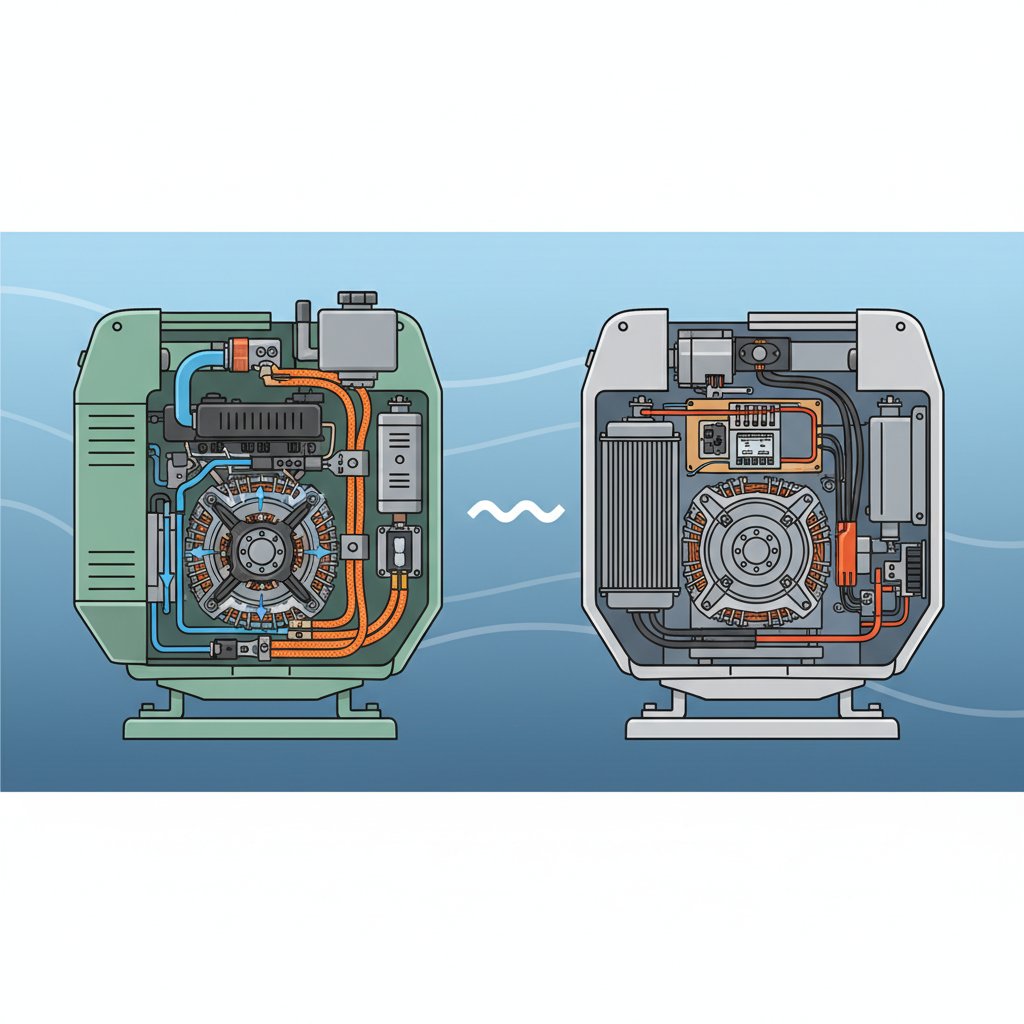
Northern Lights has built its reputation on manufacturing robust marine generators designed specifically for the harsh marine environment. These units differ substantially from land-based generators in their construction, cooling systems, and electrical components. The company’s commitment to marine-specific engineering means their generators incorporate features like enhanced corrosion resistance, specialized cooling systems, and electrical components designed to handle constant motion and vibration.
Modern Northern Lights generators integrate sophisticated control systems that monitor operating parameters and provide diagnostic information. Understanding how to interpret warning indicators and gauge readings helps vessel owners identify developing problems before they cause equipment failure. According to the Florida Fish and Wildlife Conservation Commission’s boating safety guidelines, proper generator maintenance is a critical component of vessel safety, particularly for boats operating offshore where electrical system failure can create dangerous situations.
Essential Maintenance Schedule and Intervals
Northern Lights provides detailed maintenance schedules based on operating hours, and adhering to these intervals is fundamental to generator longevity. The manufacturer’s recommendations aren’t arbitrary—they’re based on engineering data regarding component wear patterns and failure modes observed over decades of marine generator operation.
Daily and Pre-Operation Checks
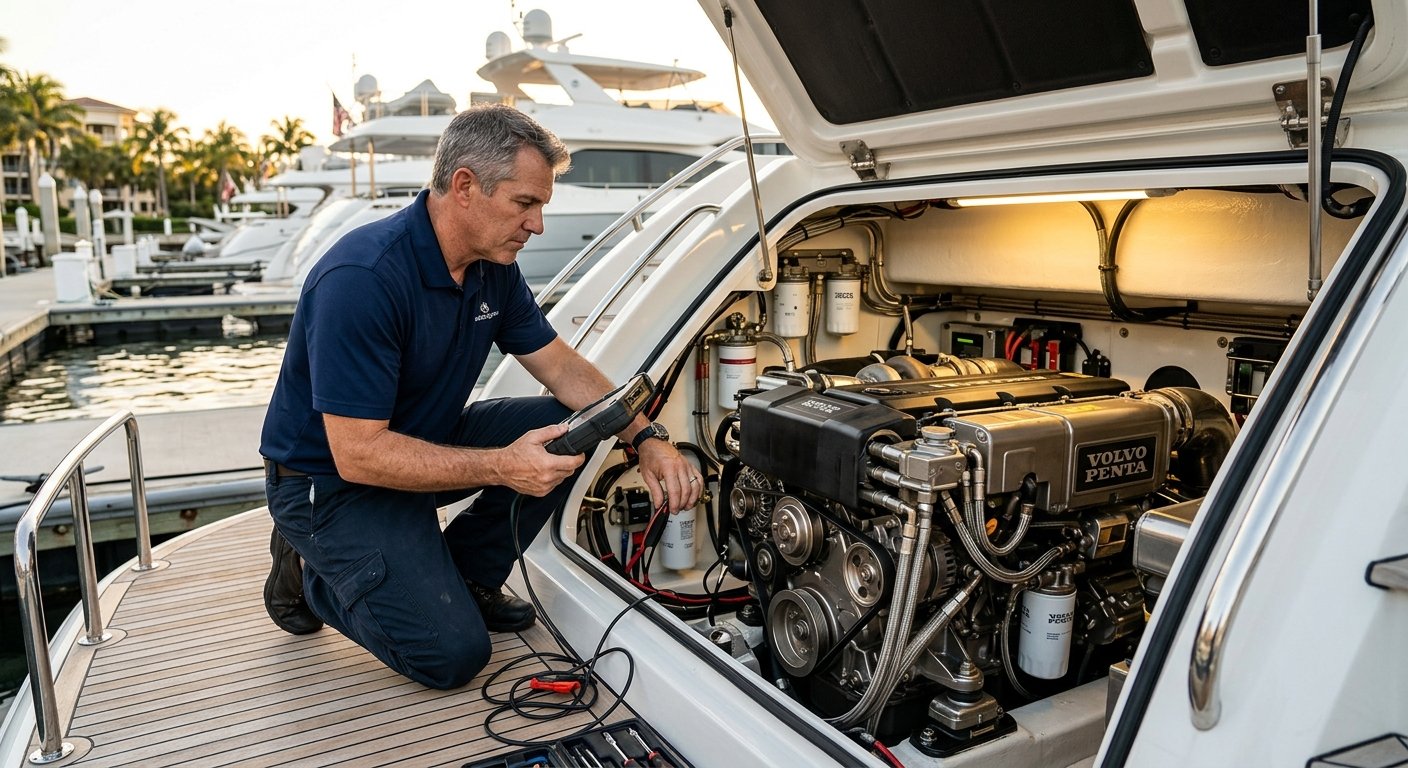
Before starting your Northern Lights generator, perform visual inspections of the engine compartment. Check for fuel leaks, coolant leaks, or oil seepage around gaskets and seals. Verify that cooling water intake strainers are clear and that raw water flow is unobstructed. These simple checks take minutes but can prevent catastrophic failures that leave you without electrical power.
Confirm proper fluid levels including engine oil, coolant, and fuel supply. Low coolant levels can cause overheating within minutes of operation, potentially warping cylinder heads or causing gasket failure. Check the bilge area around the generator for any accumulation of fluids that might indicate developing leaks.
50-Hour Service Requirements
At 50-hour intervals, or at least annually for lightly used vessels, your Northern Lights generator requires more comprehensive attention. This service includes oil and filter changes using manufacturer-specified lubricants. The oil specification matters significantly—marine diesel engines operate under different conditions than automotive engines, and using incorrect oil grades can accelerate wear on critical components.
Fuel filter replacement at this interval prevents contamination from reaching injection components. Marine diesel fuel quality varies considerably between marinas, and fuel can absorb water during storage. Quality fuel filtration protects expensive injection systems from premature wear and prevents hard starting conditions.
250-Hour Service Procedures
The 250-hour service interval introduces additional maintenance tasks beyond oil and filter changes. Coolant system inspection becomes critical at this point, including checking hose conditions, verifying proper antifreeze concentration, and examining the heat exchanger for marine growth or corrosion. Raw water impellers should be inspected and replaced if showing wear, cracking, or missing vanes.
Electrical system checks at this interval include inspecting battery connections, verifying charging system output, and testing safety shutdown systems. The alternator belt requires inspection for proper tension and signs of wear. A failing belt can leave batteries uncharged and create starting problems during your next outing.
500-Hour and Annual Major Services
At 500 hours or annually, whichever comes first, your Northern Lights generator needs comprehensive service including valve clearance adjustments, injection system inspection, and detailed electrical system testing. This service level requires specialized tools and knowledge of factory specifications—this is when working with factory-authorized service providers becomes particularly important for maintaining warranty coverage and ensuring proper procedures.
Critical System-Specific Maintenance
Cooling System Maintenance
The cooling system represents one of the most critical maintenance areas for marine generators. Northern Lights generators typically use heat exchanger cooling, where raw seawater cools the freshwater coolant circuit. The raw water side requires particular attention because marine growth, sand, and debris can restrict flow and cause overheating.
Regular zinc anode inspection and replacement protects the heat exchanger from galvanic corrosion. Zincs sacrifice themselves to protect more expensive components, but once consumed, corrosion attacks copper and bronze components rapidly. Check zincs at every 50-hour service and replace when 50% depleted.
Heat exchanger cleaning should occur annually in South Florida waters where marine growth occurs year-round. Restricted heat exchangers force generators to work harder to maintain proper operating temperatures, reducing efficiency and potentially causing overheating shutdowns during peak electrical loads.
Fuel System Maintenance and Water Separation
Fuel contamination causes more generator problems than any other single factor. Water in diesel fuel promotes biological growth that clogs filters and injection components. The EPA’s Underground Storage Tank program regulates fuel quality standards, but marina fuel still varies in quality, making onboard filtration and water separation essential.
Primary fuel filters with water separators should be checked weekly during active use. Drain water from separator bowls regularly—don’t wait until the bowl appears full. Even small amounts of water can support microbial growth that creates sludge and accelerates filter clogging.
Replace fuel filters according to Northern Lights specifications using genuine OEM filters. Aftermarket filters may not provide equivalent filtration efficiency or water separation capability, potentially allowing contaminants to reach expensive injection components. The cost difference between genuine and aftermarket filters is minimal compared to injection system repair costs.
Electrical System and Control Panel Maintenance
Modern Northern Lights generators incorporate sophisticated control systems that monitor operating parameters and protect the generator from damaging conditions. These systems require periodic testing to ensure safety shutdowns function properly when needed.
Battery maintenance directly affects generator starting reliability. Marine batteries serving generator starting duty should be load tested annually and replaced when failing to meet specifications. Clean battery terminals prevent voltage drops that can cause hard starting or control system malfunctions.
Control panel connections should be inspected for corrosion, particularly in the humid marine environment. Loose connections can cause erratic gauge readings or intermittent shutdowns that are difficult to diagnose. Applying dielectric grease to electrical connections prevents corrosion without interfering with electrical conductivity.
Troubleshooting Common Northern Lights Generator Issues
Understanding common generator problems helps vessel owners distinguish between minor issues they can address and situations requiring professional Northern Lights generator repair services.
Hard Starting or Failure to Start
Starting problems typically relate to fuel delivery, battery condition, or air in the fuel system. If the generator cranks normally but won’t start, check for adequate fuel supply and verify the fuel shutoff solenoid is operating. Air in the fuel system after filter changes requires bleeding according to manufacturer procedures.
Weak cranking indicates battery or starter circuit problems. Test battery voltage under load—a battery showing 12.6 volts at rest may drop below starting voltage under load if internally degraded. Corroded connections between battery and starter can also cause voltage drops that prevent adequate cranking speed.
Overheating and High Temperature Shutdowns
Overheating shutdowns protect your generator from catastrophic damage, but they indicate underlying problems requiring attention. Common causes include restricted raw water flow, failed impellers, clogged heat exchangers, low coolant levels, or failing thermostats.
When experiencing overheating, verify raw water discharge flow immediately. Weak flow or no flow indicates impeller failure or intake restriction. If raw water flow appears normal, the problem likely involves the freshwater cooling circuit—low coolant, air pockets, or heat exchanger restriction.
Low Oil Pressure Warnings
Low oil pressure warnings require immediate attention to prevent engine damage. Verify actual oil level before assuming sensor malfunction. If oil level is correct, the problem may involve the oil pump, pressure relief valve, worn bearings, or a failing pressure sensor.
Never ignore oil pressure warnings or disconnect warning systems to keep the generator running. Operating with insufficient oil pressure will destroy engine bearings within minutes, converting a relatively minor repair into a complete engine rebuild or replacement.
The Importance of Factory-Authorized Service for Marine Genset Repair
While basic maintenance tasks can be performed by knowledgeable vessel owners, comprehensive yacht generator maintenance and complex repairs require factory-authorized expertise. Northern Lights generators incorporate specific adjustment procedures, torque specifications, and diagnostic procedures that require specialized knowledge and equipment.
Factory-authorized service providers maintain comprehensive parts inventories including components specific to your generator model and serial number. When repairs are needed, having immediate access to genuine Northern Lights parts eliminates delays that extend downtime. According to National Marine Manufacturers Association guidelines, using manufacturer-specified parts and procedures is essential for maintaining equipment reliability and safety compliance.
Warranty considerations also make factory-authorized service important. Warranty claims require documentation that service was performed according to manufacturer specifications using approved parts. Non-authorized service or aftermarket parts can void warranty coverage, potentially costing thousands of dollars on major repairs.
Preventative Maintenance: Investment in Longevity
Northern Lights generators routinely deliver 30-40 years of service when properly maintained. This longevity represents exceptional value, but it requires commitment to preventative maintenance rather than reactive repairs. The cost of scheduled maintenance is a fraction of emergency repair expenses or premature generator replacement.
Establishing a relationship with factory-authorized service providers in Palm Beach County and Broward County ensures your generator receives consistent, properly documented maintenance. Service records become valuable during vessel sales, demonstrating to potential buyers that major systems received proper professional attention.
Keep detailed maintenance logs recording all service performed, parts replaced, and operating hours. These records help service providers identify patterns that might indicate developing problems and verify maintenance compliance for warranty purposes. Digital photos of service procedures and replaced components create additional documentation that can be valuable during troubleshooting or warranty claims.
Seasonal Considerations for South Florida Yacht Operations
South Florida’s marine environment creates specific maintenance considerations for Northern Lights generators. Year-round warm water promotes marine growth in cooling systems more aggressively than seasonal climates. Raw water systems require more frequent inspection and cleaning in tropical waters.
Hurricane season preparation should include generator inspection and testing well before storms approach. Verify your generator operates properly under load and produces clean power. Test automatic transfer switches and confirm the generator can carry your vessel’s full electrical load, including critical systems like bilge pumps and navigation equipment.
Frequently Asked Questions
How often should I run my Northern Lights generator if the boat sits unused?
Run your generator under load for at least 60 minutes monthly even when the vessel sits unused. This exercise prevents cylinder glazing, circulates preservative oils through the engine, and ensures the generator will start reliably when needed. Simply starting and idling isn’t sufficient—the generator needs to reach full operating temperature under electrical load to prevent carbon buildup and maintain fuel system health.
What’s the difference between genuine Northern Lights parts and aftermarket alternatives?
Genuine Northern Lights parts are engineered specifically for marine applications and tested to meet manufacturer specifications. Aftermarket parts may appear similar but often use different materials or manufacturing tolerances that affect reliability and longevity. Fuel filters, for example, may not provide equivalent water separation or filtration efficiency. Using genuine parts maintains warranty coverage and ensures proper equipment operation.
When should I schedule professional boat generator troubleshooting versus handling issues myself?
Basic checks like verifying fuel supply, checking oil levels, and inspecting for obvious leaks can be performed by vessel owners. However, issues involving electrical systems, injection components, control panel diagnostics, or internal engine problems require professional service. If simple checks don’t resolve the problem quickly, or if you’re uncertain about proper diagnostic procedures, contact factory-authorized service providers to prevent turning minor issues into major repairs through incorrect troubleshooting.
How do I know when my Northern Lights generator needs replacement rather than repair?
Generators with proper maintenance history can operate 30-40 years, but eventually wear or damage may make replacement more economical than repair. Factors include cylinder wear requiring overbore, cracked blocks or heads, and the cumulative cost of multiple system failures. A factory-authorized service provider can assess whether repair represents good value or if replacement provides better long-term economics. Consider replacement when repair costs approach 50% of new generator cost, or when multiple major systems require simultaneous overhaul.
What causes the most common failures in marine diesel generators?
Neglected cooling system maintenance causes the majority of serious generator failures. Restricted heat exchangers, failed impellers, and depleted zincs lead to overheating that warps components or cracks heads. Fuel contamination from water and biological growth ranks second, destroying injection components and creating hard starting. Both causes are entirely preventable through scheduled maintenance following manufacturer specifications.
Professional Northern Lights Generator Service in South Florida
RPM Diesel provides factory-authorized Northern Lights generator service throughout Palm Beach County and Broward County. Our comprehensive parts inventory and manufacturer-certified expertise ensure your generator receives proper maintenance and repair according to factory specifications. Whether you need routine yacht generator maintenance or complex marine genset repair, our team delivers reliable service that protects your investment and keeps your vessel’s electrical systems operating dependably.
Contact RPM Diesel today to schedule your Northern Lights generator maintenance or to discuss any concerns about your marine electrical systems. Proper preventative maintenance today prevents costly emergency repairs tomorrow and ensures your generator provides decades of reliable service.