A marine diesel engine rebuild is a comprehensive overhaul that restores your engine to manufacturer specifications by replacing worn internal components — pistons, rings, bearings, gaskets, and seals — rather than replacing the entire power plant. For yacht owners with Detroit Diesel, MTU, or other quality marine diesel engines, a properly executed rebuild can extend reliable service life significantly and is often the most cost-effective path forward when an engine shows signs of serious wear.
- A rebuild addresses root causes of wear, not just symptoms — proper diagnosis comes first, always.
- Factory-authorized procedures and OEM parts are non-negotiable for a rebuild that holds up in the marine environment.
- Recognizing early warning signs — excessive blow-by, oil consumption, power loss — determines whether a rebuild is warranted or whether targeted repairs will suffice.
- Detroit Diesel/MTU, Northern Lights, Kohler, and Westerbeke engines each follow distinct manufacturer rebuild protocols that require brand-specific expertise.
- A well-executed rebuild, followed by a disciplined maintenance schedule, can keep a quality marine diesel running reliably for decades.
What Triggers the Decision to Rebuild?
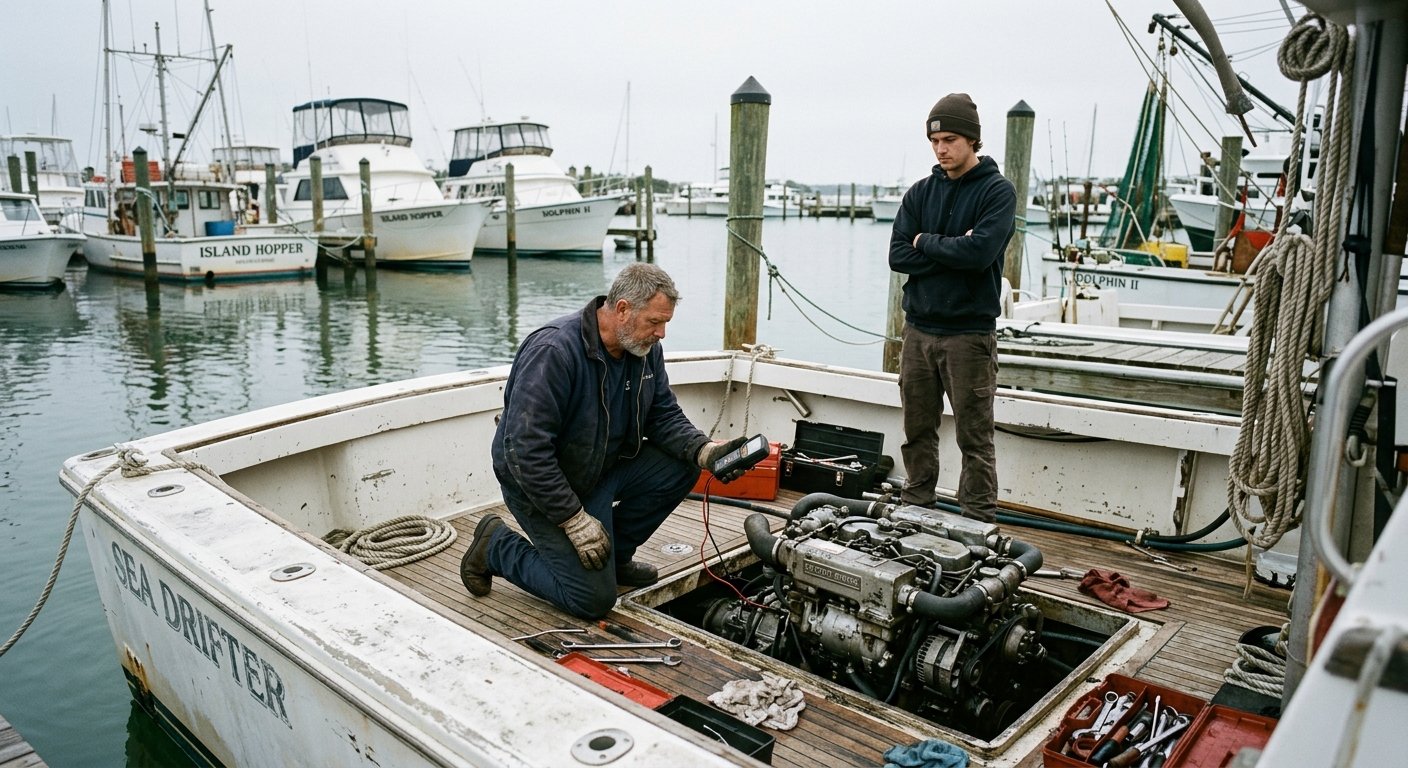
No vessel owner wants to hear that an engine needs a rebuild, but the decision becomes straightforward once the right data is in hand. A marine diesel doesn’t simply “stop working” — it communicates its condition through measurable symptoms that worsen progressively. Catching those signals early is the difference between a planned rebuild on your timeline and an emergency haul-out.
The most telling indicators include:
- Excessive oil consumption — burning through oil between service intervals without visible external leaks
- Blow-by at the crankcase breather — combustion gases escaping past worn piston rings
- Loss of compression — measurable through a cylinder compression test, revealing worn rings or valve seat deterioration
- Persistent blue or white exhaust smoke — indicators of oil burning or coolant intrusion
- Significant power reduction — the engine struggles to reach rated RPM under normal load
- Elevated oil pressure variation — worn main and rod bearings show up in oil pressure readings
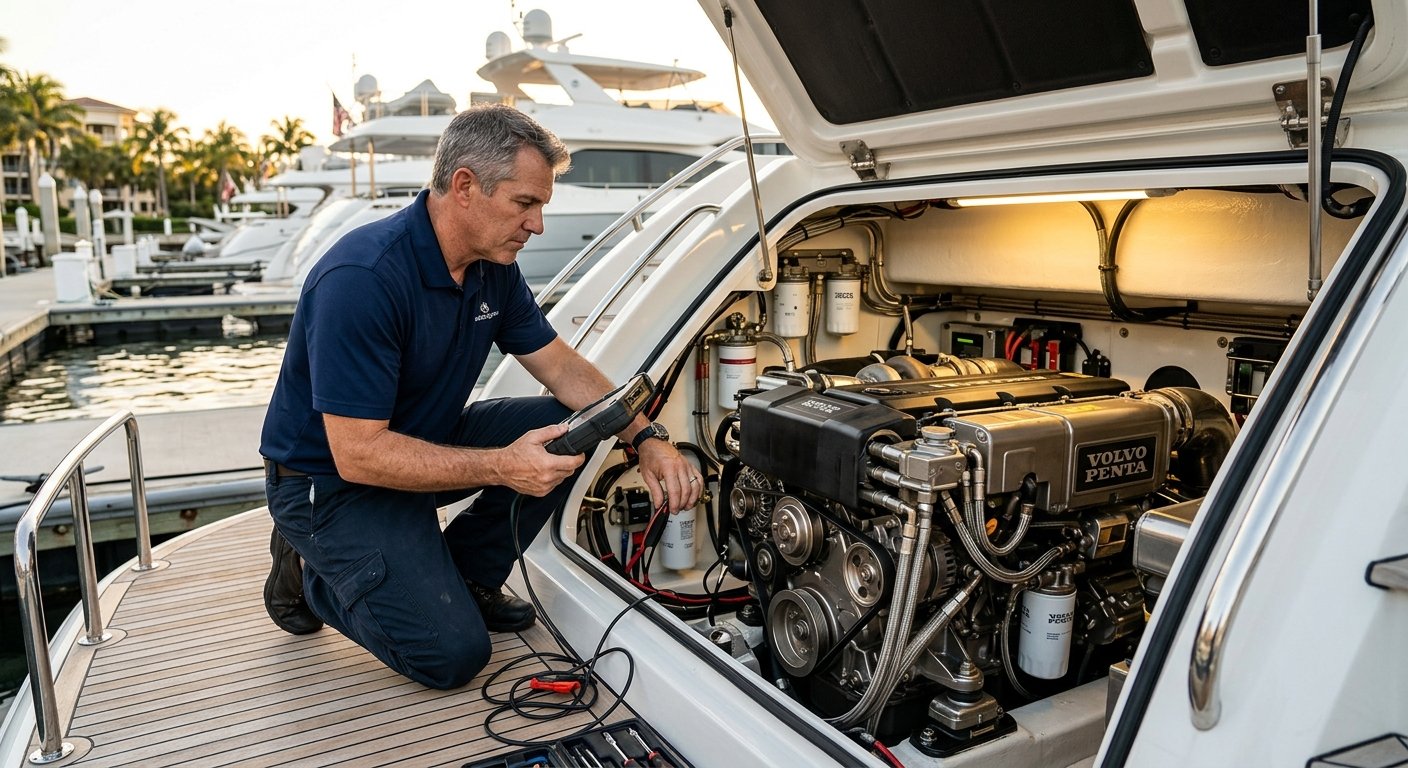
When our technicians see these symptoms together, we move immediately to a thorough diagnostic evaluation before recommending any course of action. Proper diagnosis is the foundation of every rebuild decision we make.
Never authorize a rebuild based on symptoms alone. Compression tests, oil analysis, and a full inspection of internal clearances are required to confirm a rebuild is the right — and only — solution. Unnecessary rebuilds waste money; delayed rebuilds risk catastrophic failure at sea.
The Rebuild Process: A Step-by-Step Overview
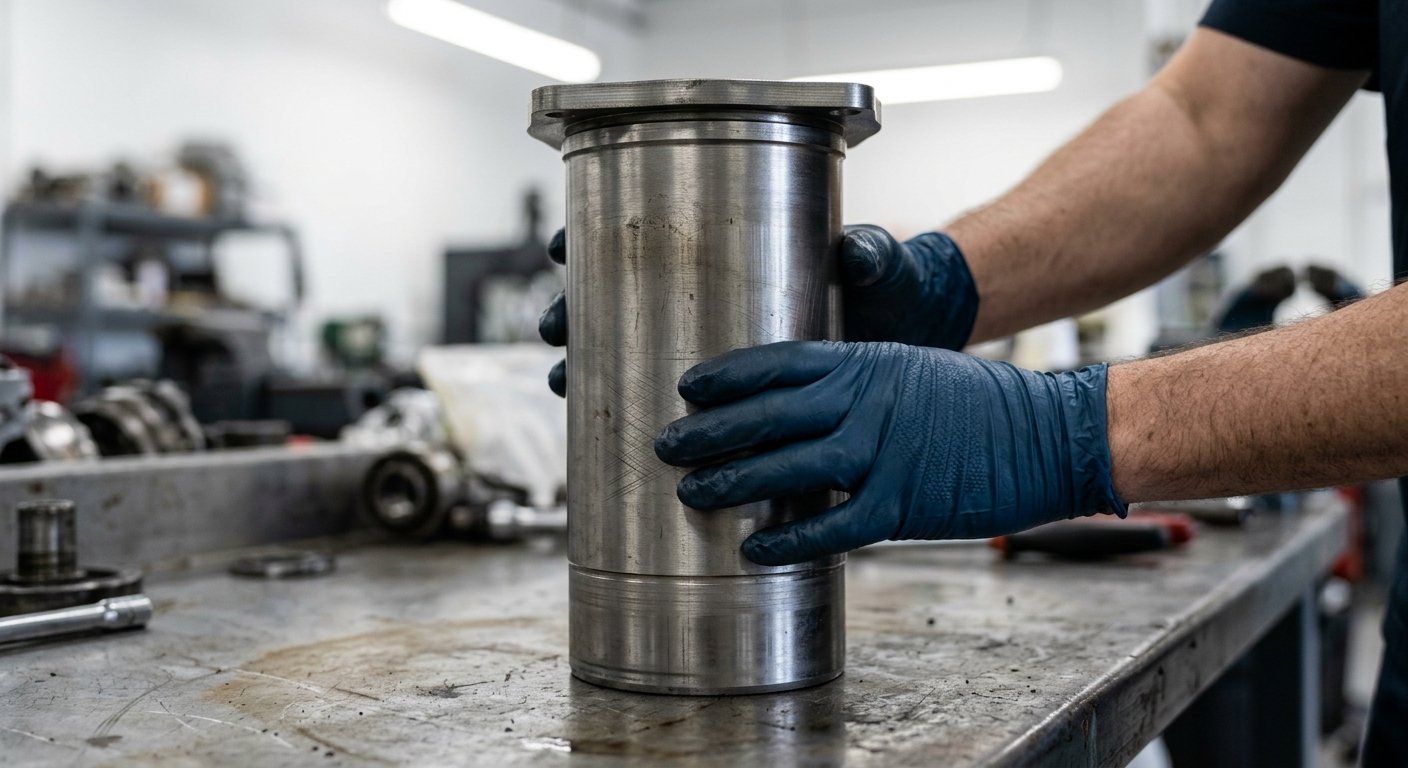
Understanding what happens during a diesel engine overhaul helps vessel owners set realistic expectations for scope, timing, and what they’re investing in. Here’s how a properly executed rebuild unfolds at a factory-authorized facility.
Comprehensive Pre-Rebuild Diagnosis
Before any disassembly begins, technicians perform compression testing, oil analysis, and a full review of the engine’s service history. This step determines rebuild scope — partial top-end overhaul versus a full bottom-end rebuild — and prevents unnecessary parts replacement.
Engine Disassembly and Component Inspection
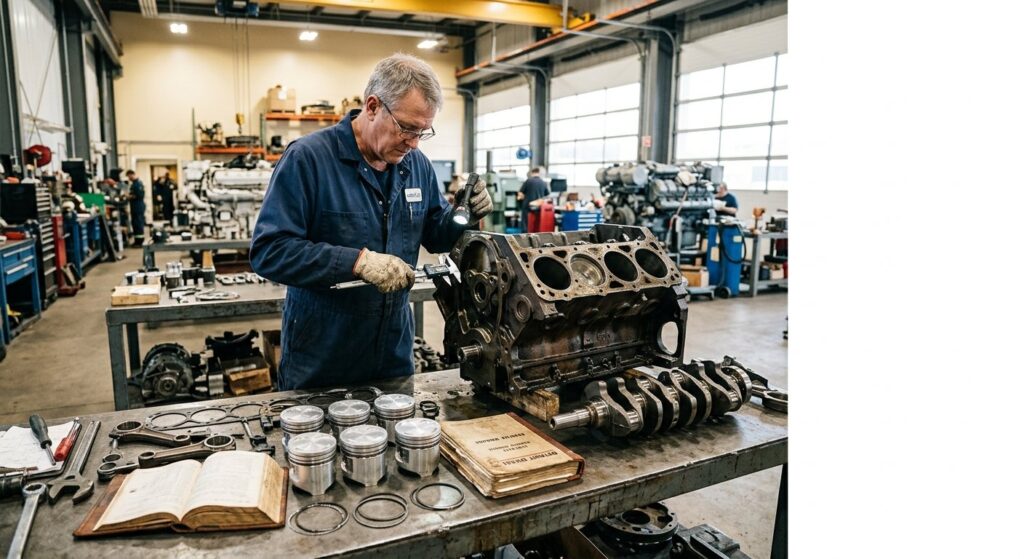
The engine is fully disassembled and every major component — crankshaft, camshaft, cylinder liners, pistons, connecting rods, bearings — is measured against manufacturer tolerances. Components that fall within spec may be reused; those outside tolerance are replaced with OEM parts.
Machine Work and Reconditioning
Cylinder heads are pressure-tested and resurfaced. Crankshafts are inspected for wear journals and may require precision grinding. This is precision machine shop work that must be performed to the engine manufacturer’s exact specifications — not generic tolerances.
Assembly with OEM Parts
Reassembly uses manufacturer-specified OEM gaskets, seals, rings, and bearings — torqued to factory specifications at every fastener. This is where factory-authorized service expertise is most critical. Incorrect torque sequences or aftermarket gaskets that don’t meet marine-grade specifications can compromise the entire rebuild.
Break-In and Sea Trial
A rebuilt marine diesel requires a controlled break-in period. Load is applied gradually, oil and coolant levels are monitored closely, and the engine is evaluated under real operating conditions before the vessel is returned to service.
OEM Parts: Why There Is No Substitute
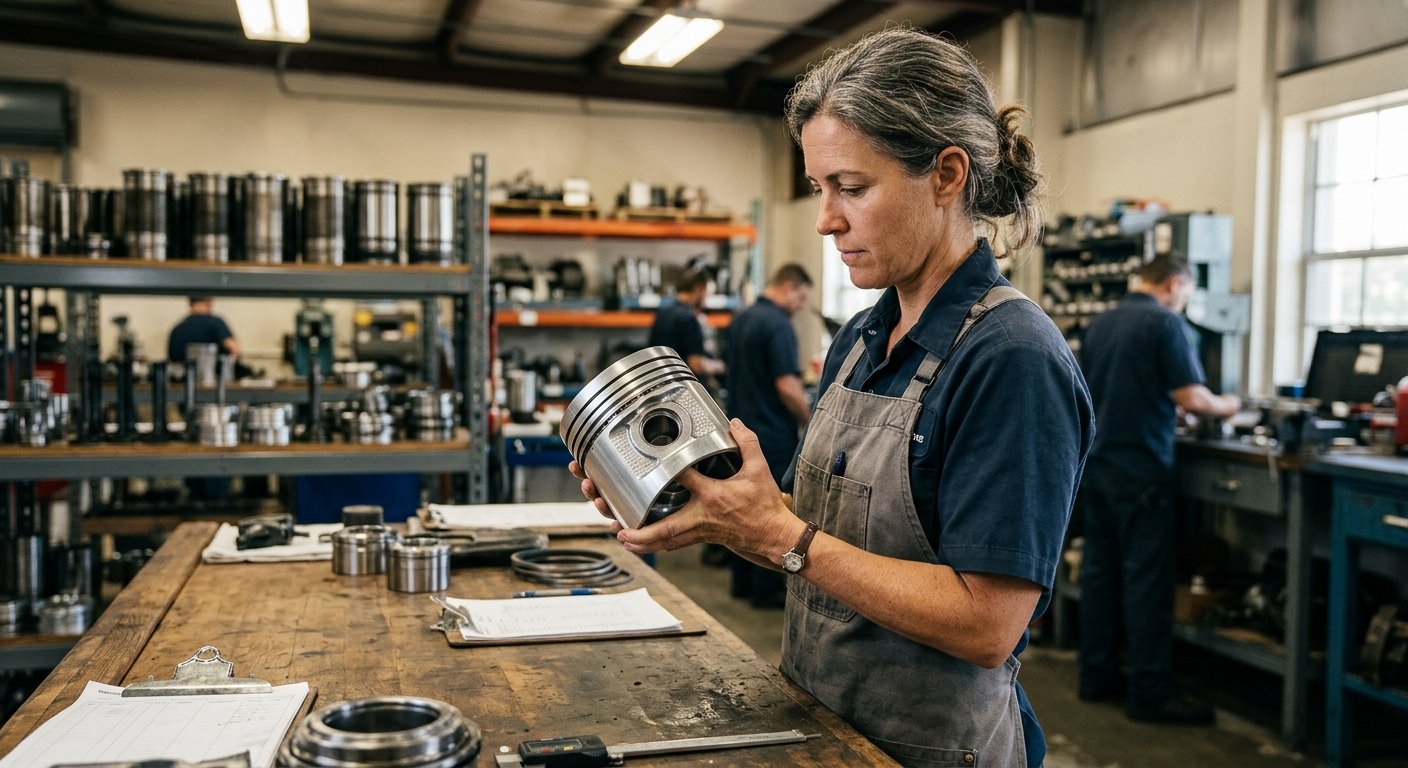
In a rebuild, the quality of internal components determines how long the engine performs after it leaves the shop. OEM parts — those manufactured to the original equipment manufacturer’s exact metallurgical and dimensional specifications — are engineered for the thermal cycling, vibration, and load demands specific to that engine family. According to the Diesel Technology Forum, modern diesel engines operate under significantly higher cylinder pressures than older designs, making precision component fit more critical than ever.
This is especially true for Detroit Diesel and MTU engines, where internal tolerances are extremely tight and matched component sets — liners, pistons, and rings supplied together — are part of the rebuild specification. Using a non-OEM alternative in these engines isn’t a cost-saving measure; it’s a gamble with the engine’s entire service life.
A marine diesel rebuild is only as good as the parts installed and the precision with which they’re fitted — neither element can be compromised.
Brands We Rebuild: What Makes Each One Different
As a factory-authorized service provider for multiple major marine diesel brands, RPM Diesel approaches each rebuild according to that manufacturer’s specific protocols. These are not interchangeable processes.
Detroit Diesel / MTU — Detroit Diesel marine engine repair and MTU marine engine repair require familiarity with Series 60, Series 92, and MTU Series 2000/4000 architecture. Each has distinct rebuild kits, torque specifications, and fuel system calibration requirements. Factory authorization means we have access to the manufacturer’s current technical data and genuine parts.
Northern Lights — These generator engines are precision-built for marine generator applications. Rebuild procedures address both the engine block and the generator end, and our authorization ensures the generator is reassembled and load-tested to Northern Lights specifications.
Kohler and Westerbeke — Marine generator engine rebuilds for Kohler and Westerbeke follow distinct procedures for their respective engine families. Both brands require specific injector testing and governor calibration as part of a complete overhaul.
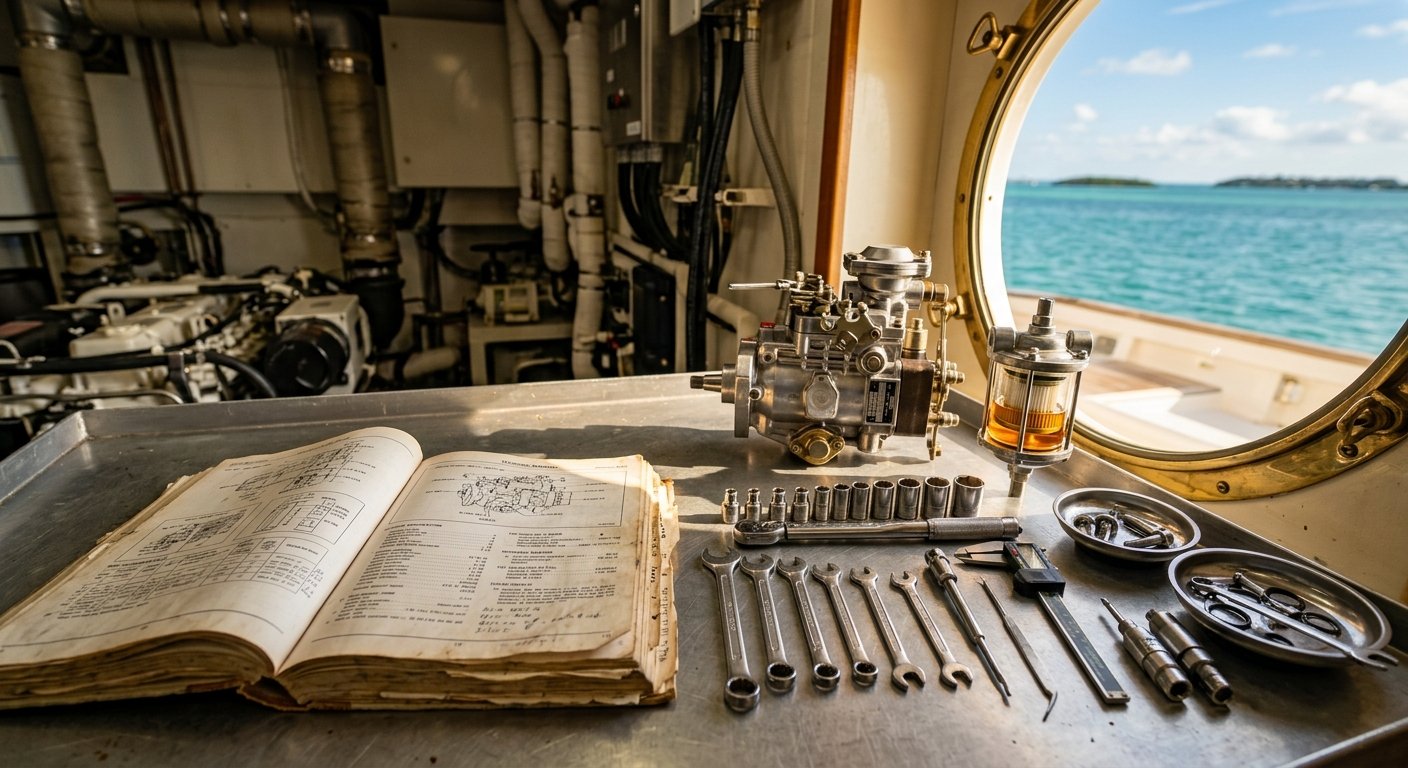
The MTU technical documentation library illustrates the depth of brand-specific service information that factory-authorized technicians work from — information not available to general marine mechanics.
Factory authorization is not simply a marketing credential. It means our technicians receive ongoing training directly from manufacturers, use current service bulletins, and have access to OEM parts channels — all of which directly affect the quality and reliability of your rebuild.
Rebuild vs. Replacement: Making the Right Call
A full engine replacement is sometimes the right answer — particularly when a block is cracked or when a vessel is being re-powered with a newer engine family. But for engines in structurally sound condition, a rebuild to factory specification delivers performance that matches or exceeds that of many replacement options, at a fraction of the capital cost.
| Consideration | Engine Rebuild | Engine Replacement |
|---|---|---|
| Block condition required | Sound, within spec | Any condition |
| Parts availability | OEM rebuild kits required | New engine assembly |
| Vessel downtime | Planned, defined scope | Typically longer for rigging/installation |
| Long-term outcome | Factory-spec performance restored | New engine warranty and performance |
| Best suited for | Engines with worn internals, sound structure | Cracked blocks, obsolete platforms |
For vessels owners exploring their options, our marine diesel engine repair and marine diesel engine service pages outline the full range of services we provide, from routine maintenance through major overhauls.
Post-Rebuild Maintenance: Protecting the Investment
A rebuild resets the engine’s internal condition — but it doesn’t reset years of neglect in cooling systems, fuel systems, or external components. The post-rebuild maintenance schedule is critical. According to the BoatUS Foundation, proper maintenance practices are among the leading factors in marine engine longevity and offshore safety.
After a rebuild, vessel owners should expect tighter service intervals initially — oil and filter changes, injector inspection, and cooling system verification — before transitioning to the standard manufacturer-recommended schedule. Our on-site diesel marine engine service program is structured to keep rebuilt engines on schedule, whether the vessel is docked in Palm Beach County or Broward County.
Frequently Asked Questions
How do I know if my engine needs a full rebuild or just targeted repairs?
A full rebuild is warranted when multiple internal components — rings, bearings, cylinder liners — show wear beyond manufacturer tolerances. Targeted repairs address isolated failures like a single injector or a head gasket. Compression testing and internal inspection by a factory-authorized technician determines which path is appropriate for your engine.
How long does a marine diesel engine rebuild take?
Rebuild duration depends on engine size, the availability of OEM parts, and whether any components require machine work. A thorough rebuild cannot be rushed without compromising quality — your technician can provide a realistic timeline after the initial teardown and inspection reveals the full scope of work required.
Can any marine mechanic perform a diesel engine overhaul?
Technically, any mechanic can disassemble an engine. But a proper marine diesel engine overhaul requires factory-authorized training, access to current manufacturer service bulletins, brand-specific tooling, and genuine OEM parts. Without these, the rebuild may not meet manufacturer specifications, which affects both performance and longevity.
What is the expected service life after a quality rebuild?
A properly rebuilt marine diesel, maintained on a disciplined service schedule, can deliver many additional years of reliable service. Quality marine diesel engines are built for long service lives — the rebuild restores the engine to the condition that makes that longevity achievable.
Does RPM Diesel perform on-site rebuilds or only shop work?
RPM Diesel provides both in-shop rebuild services and on-site diesel marine engine service throughout Palm Beach County and Broward County. The scope of a rebuild typically requires shop conditions for precision machine work, but our technicians perform evaluations and preparatory work dockside when appropriate.
Ready to Talk About Your Engine?
Whether you’re seeing warning signs or planning ahead, our factory-authorized team in South Florida is ready to assess your Detroit Diesel, MTU, Northern Lights, Kohler, or Westerbeke engine and recommend the right course of action.
About RPM Diesel
RPM Diesel is a factory-authorized marine diesel engine service provider specializing in yacht and boat engine maintenance, repair, and generator service throughout South Florida. With expertise in Detroit Diesel/MTU, Northern Lights, Kohler, and Westerbeke equipment, RPM combines deep technical knowledge with a comprehensive parts inventory to deliver reliable, manufacturer-specification service. The company serves recreational yacht owners, commercial marine operators, and vessel managers who value proper maintenance procedures and long-term engine reliability. Visit rpmdiesel.com →