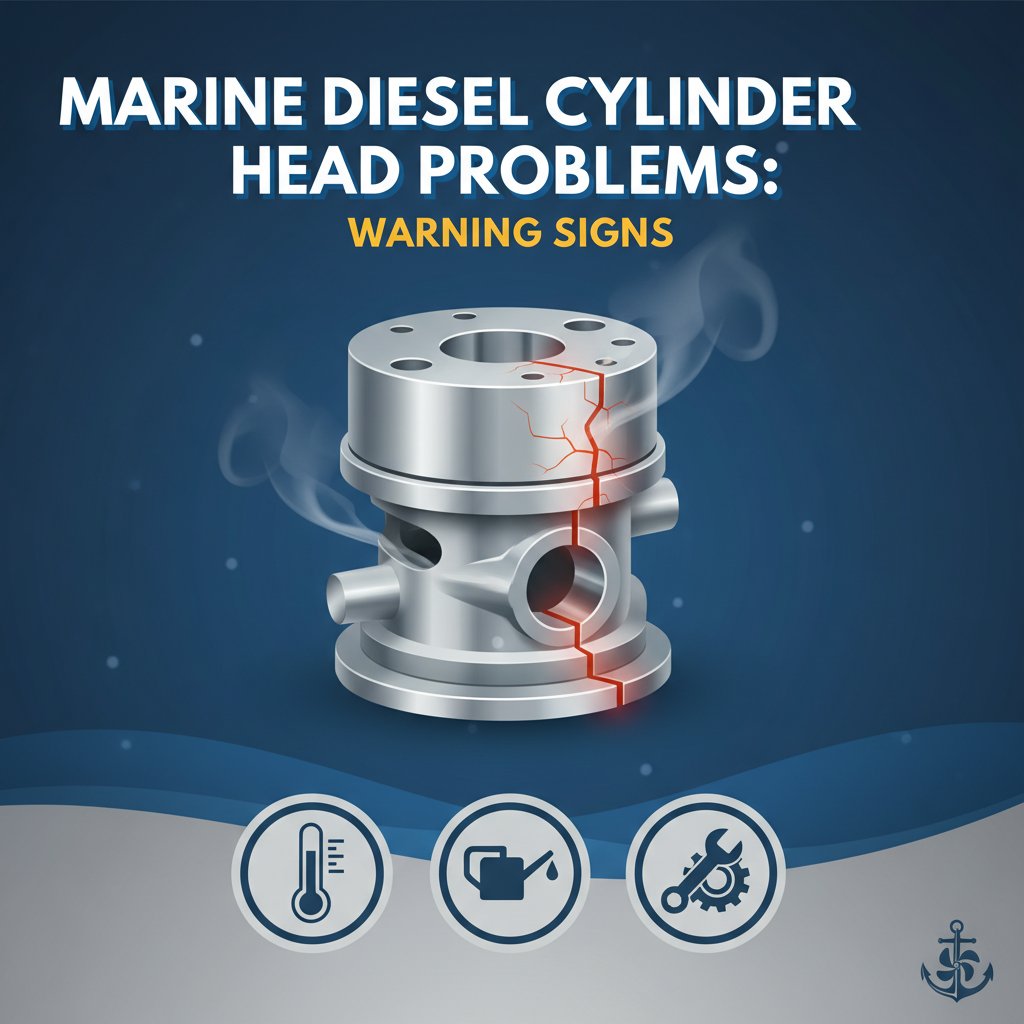
The cylinder head represents one of the most critical—and most vulnerable—components in your marine diesel engine. When cylinder head problems develop, they rarely announce themselves with obvious failures. Instead, they whisper warnings that experienced vessel operators learn to recognize before catastrophic damage occurs. Understanding these early indicators can mean the difference between a manageable repair and a complete engine replacement costing hundreds of thousands of dollars.
For yacht and boat owners operating Detroit Diesel, MTU, Northern Lights, Kohler, or Westerbeke engines, recognizing cylinder head warning signs isn’t just about preventing breakdowns—it’s about protecting your investment and ensuring safe passage. A properly maintained marine diesel engine should deliver 40+ years of reliable service, but cylinder head failures can cut that lifespan dramatically short if not addressed promptly.
Understanding Marine Diesel Cylinder Head Function
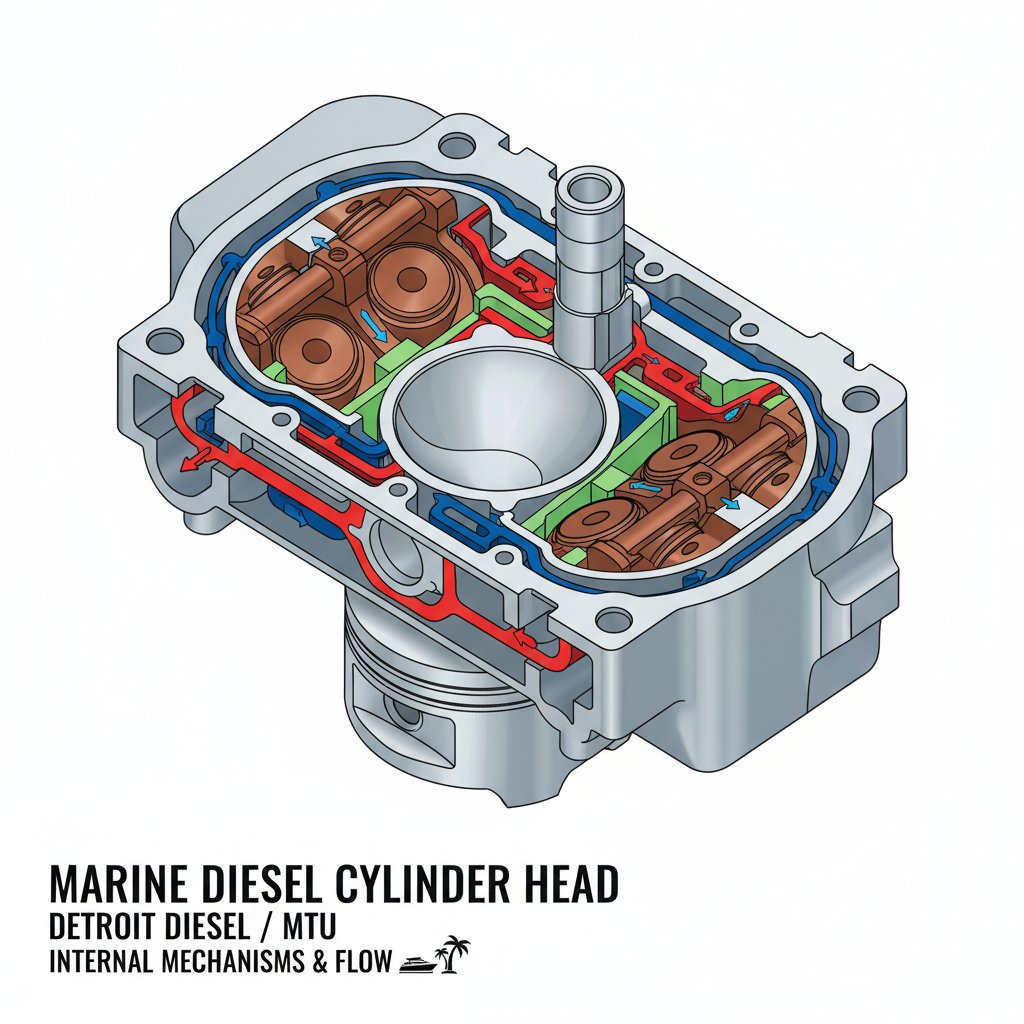
Before identifying problems, vessel owners should understand what makes the cylinder head so critical. This heavy casting sits atop your engine block and serves multiple essential functions. It houses the valves that control air intake and exhaust flow, contains passages for coolant circulation, and seals the combustion chamber where fuel ignites under extreme pressure and temperature.
In marine applications, cylinder heads face unique challenges that land-based diesel engines never encounter. Constant vibration from wave action, salt-laden air, temperature fluctuations, and the extended operating hours typical of marine service create an environment where even minor issues can escalate quickly. Factory-authorized service providers understand these marine-specific stresses and can identify problems that general mechanics might overlook.
Critical Warning Signs: Temperature Irregularities
Temperature anomalies often provide the first indication of cylinder head problems. When performing your routine checks, watch for these temperature-related symptoms:
Consistent Overheating
If your engine consistently runs hotter than normal operating temperature—even after confirming your heat exchanger, raw water pump, and thermostat function properly—the cylinder head may have developed internal coolant passage restrictions. Scale buildup, corrosion, or casting defects can restrict coolant flow through the head, creating hot spots that don’t show on your standard temperature gauge.
Cylinder-to-Cylinder Temperature Variations
Modern marine diesel engine diagnostics can measure individual cylinder temperatures. Variations exceeding manufacturer specifications between cylinders often indicate head gasket failure, cracked cylinder head passages, or valve problems. On Detroit Diesel and MTU marine engines, cylinder temperature variations beyond 50 degrees Fahrenheit warrant immediate professional inspection.
Rapid Temperature Fluctuations
Cylinder heads that have warped or cracked may allow combustion gases to enter cooling passages intermittently. This creates rapid, unexplained temperature spikes that drop back to normal, only to spike again. These fluctuations indicate serious problems requiring immediate attention before complete head failure occurs.
Performance Degradation Indicators
Cylinder head problems directly impact engine performance. Experienced operators notice these changes before electronic diagnostics confirm the problem:
Progressive Power Loss
A gradual reduction in available power—particularly at higher RPM ranges—often indicates valve seating problems, head gasket deterioration, or compression loss due to cylinder head warping. If your vessel struggles to reach its normal cruising speed or requires more throttle to maintain previously achievable speeds, cylinder head problems may be developing.
Rough Idle or Misfiring
When cylinder heads develop cracks or the head gasket begins failing, individual cylinders may lose compression. This creates rough idling, misfiring, or vibration that wasn’t previously present. On multi-cylinder engines, losing compression in even one cylinder creates noticeable imbalance. This symptom demands immediate marine diesel engine diagnostics from factory-authorized technicians.
Increased Fuel Consumption
Cylinder head problems that reduce compression efficiency force your engine to consume more fuel to produce the same power output. If you’ve noticed your fuel consumption increasing without corresponding changes in operating conditions, speed, or load, compression testing should be performed to evaluate cylinder head integrity.
Fluid-Related Warning Signs
Changes in your engine’s fluids often reveal cylinder head problems before other symptoms become obvious:
Coolant in the Oil
Check your oil dipstick regularly. If you notice a milky, chocolate-milk appearance to your lubricating oil, coolant has entered the crankcase. This typically indicates head gasket failure or cracks in the cylinder head that allow coolant passages to communicate with oil galleries. This condition requires immediate shutdown and professional marine diesel engine repair—continued operation will destroy bearings and other internal components within hours.
Oil in the Coolant
The opposite condition—oil contaminating your coolant—also indicates head gasket failure or cylinder head cracks. You’ll notice oil floating on top of coolant in the expansion tank or sheen on coolant when you sample it. This condition is equally serious and demands immediate attention.
Excessive Coolant Consumption
If you’re constantly adding coolant but can’t locate external leaks, the coolant is likely entering the combustion chamber through cracks in the cylinder head or failed head gasket. On engines like Northern Lights and Westerbeke generators, even small amounts of coolant consumption (more than one quart per 50 operating hours) warrant professional inspection.
Exhaust Steam at Operating Temperature
White steam from the exhaust after your engine reaches full operating temperature indicates coolant entering the combustion chamber. While condensation creates white exhaust during warm-up, steam continuing after the engine reaches temperature points to cylinder head or head gasket problems allowing coolant into cylinders.
Visual and Audible Indicators
External Coolant Leaks
Coolant leaking from the head gasket mating surface, around head bolt holes, or from cylinder head casting itself provides obvious evidence of problems. However, on marine engines with extensive external components and hoses, these leaks aren’t always easy to spot. Pressure testing the cooling system while the engine is cold can reveal leaks that only appear under pressure.
Unusual Engine Noises
Cylinder head problems can create distinctive sounds. A sharp, metallic ticking that increases with RPM may indicate valve clearance problems due to head warping. A deeper knocking sound could indicate pre-ignition or detonation caused by hot spots on the cylinder head surface. On Detroit Diesel marine engines, any new or changing engine noise warrants immediate professional evaluation.
Exhaust Smoke Changes
Blue smoke indicates oil burning in the combustion chamber, which can result from valve guide wear in the cylinder head. Black smoke suggests incomplete combustion, potentially caused by valve timing issues or inadequate compression from cylinder head problems. White smoke, as mentioned, typically indicates coolant entering cylinders through cylinder head cracks or gasket failure.
Diagnostic Testing for Cylinder Head Problems
When warning signs appear, proper boat diesel engine troubleshooting requires systematic testing:
Compression Testing
This fundamental test measures the sealing ability of each cylinder. Compression values should fall within manufacturer specifications and remain consistent across all cylinders. On MTU marine engines, for example, compression variation exceeding 10% between cylinders indicates problems requiring investigation.
Leak-Down Testing
More revealing than compression testing, leak-down testing pressurizes each cylinder individually and measures how much pressure escapes. This test identifies whether leaks occur past valves, through the head gasket, or via cracks in the cylinder head. Factory-authorized technicians use manufacturer-specified procedures and acceptance criteria for accurate interpretation.
Cooling System Pressure Testing
Pressurizing the cooling system while the engine is cold reveals external and internal leaks that might not be obvious during operation. This test can identify head gasket leaks and cylinder head cracks before they cause catastrophic damage.
Exhaust Gas Analysis
Detecting combustion gases in the cooling system provides definitive evidence of head gasket failure or cylinder head cracks. Specialized chemical test kits change color when exposed to combustion gases, confirming communication between the combustion chamber and cooling system.
The Importance of Factory-Authorized Service
Cylinder head problems in marine diesel engines demand expertise that goes beyond general mechanical knowledge. Detroit Diesel marine engine repair and MTU marine engine repair require specialized training, proprietary diagnostic equipment, and access to OEM specifications that independent shops simply don’t possess.
Factory-authorized service providers maintain direct relationships with manufacturers, ensuring access to technical service bulletins, updated repair procedures, and engineering support when complex problems arise. For yacht engine cylinder repair, using non-OEM parts or improper procedures can void warranties, create liability issues, and ultimately cost more when repairs fail prematurely.
With 68 years of marine diesel expertise and over 68,000 parts in inventory, established service providers offer the depth of knowledge and resources necessary for proper cylinder head diagnosis and repair. Their worldwide service capabilities mean expert support regardless of where your vessel operates.
Preventing Cylinder Head Problems
While some cylinder head failures result from manufacturing defects or unavoidable wear, many problems stem from inadequate maintenance:
- Follow manufacturer maintenance schedules for valve adjustments, coolant changes, and inspections
- Use only approved coolants with proper corrosion inhibitors specific to marine diesel applications
- Monitor operating temperatures closely and investigate any changes immediately
- Prevent overheating by maintaining raw water systems, heat exchangers, and thermostats
- Address minor issues promptly before they escalate into major repairs
- Schedule regular professional inspections that include compression testing and cooling system evaluation
Properly maintained marine diesel engines regularly achieve 40+ years of service life, but this longevity depends on recognizing and addressing problems early. Cylinder head issues, in particular, benefit dramatically from early intervention.
When to Seek Professional Service
Any of these warning signs warrant immediate professional evaluation:
- Coolant in oil or oil in coolant
- Persistent overheating without obvious cause
- Loss of power or rough running
- Unexplained coolant consumption
- Steam from exhaust at operating temperature
- New or changing engine noises
- Compression test results outside specifications
Delaying professional marine diesel engine diagnostics when these symptoms appear invariably leads to more extensive damage and higher repair costs. What might have been a head gasket replacement can become a complete cylinder head replacement or even engine block damage if ignored.
Protect Your Marine Investment
Your marine diesel engine represents a substantial investment in your vessel’s capability and value. Cylinder head problems, caught early and repaired correctly, need not end in catastrophic failure or astronomical repair bills. By understanding the warning signs, monitoring your engine carefully, and working with factory-authorized service providers, you ensure your engine delivers the decades of reliable service it was designed to provide.
If your Detroit Diesel, MTU, Northern Lights, Kohler, or Westerbeke engine is showing any warning signs discussed here, don’t wait for complete failure. Contact RPM Diesel’s factory-trained technicians for comprehensive diagnostics and expert repair. With nearly seven decades of marine diesel expertise, worldwide service capabilities, and the industry’s most extensive parts inventory, we’re equipped to diagnose cylinder head problems accurately and repair them right the first time. Protect your vessel and your investment—schedule your diagnostic evaluation today.